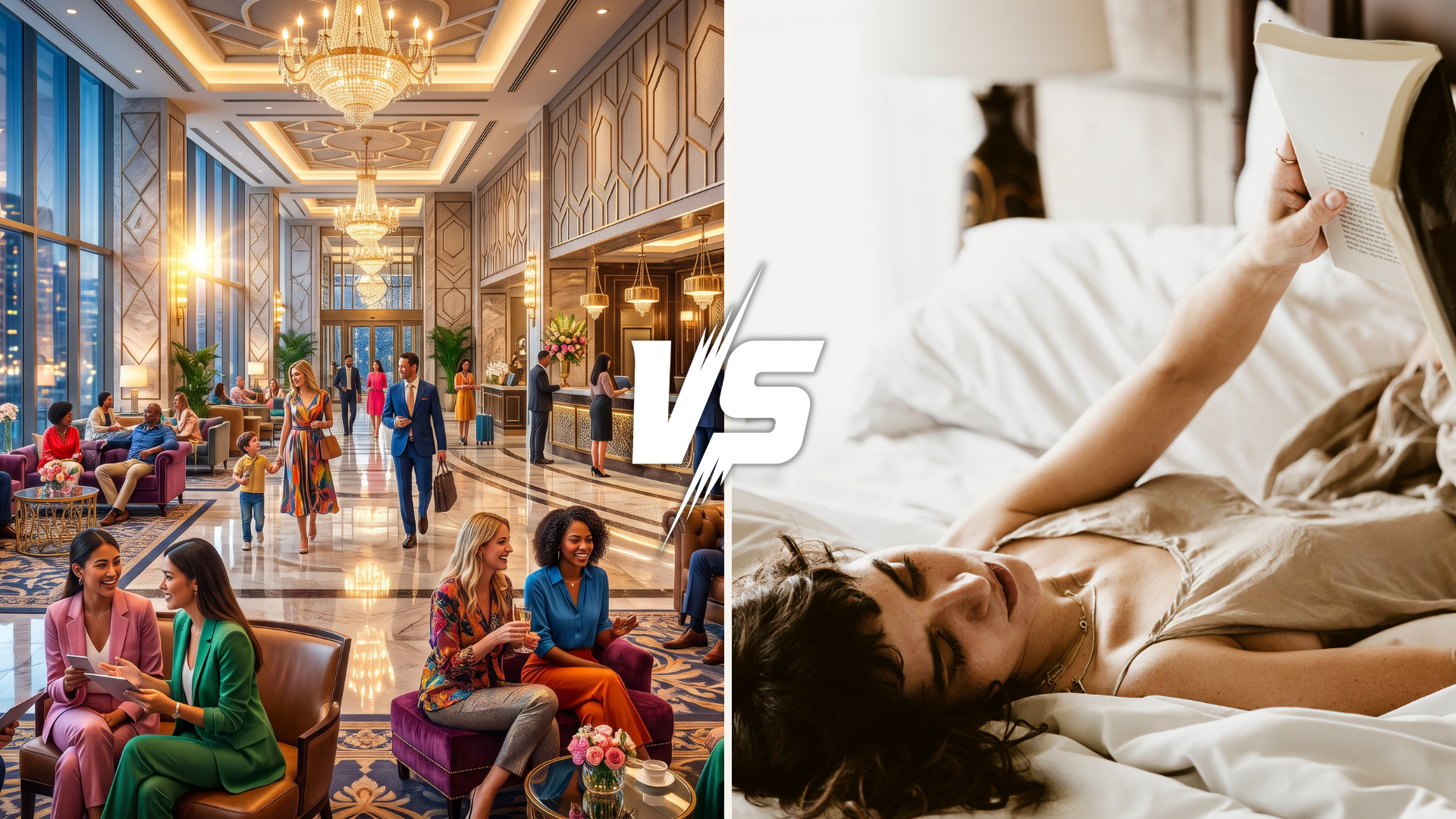
Your guests are squinting at every photo now. Make the real answer obvious.
TL;DR
In a June 2026 test of 2,000 U.S. travelers, only 5% correctly picked all three real destination photos when paired against AI fakes.
7 in 10 travelers say they've arrived somewhere that looked noticeably different from the photos they planned with.
70% say they'd trust imagery more from a destination that confirms it's real.
Instagram's own head says authenticity is becoming scarce, and the platform is moving toward verifying real media at the point of capture.
Hotels already have the thing AI can't fake: their people and the stories that happen on property every day. That's the edge going into 2027.
Everyone's asking "is that real?" now
Think about the last time you scrolled past a perfect sunset over a perfect pool. You probably paused. Then you probably wondered. Or think about how many times someone has asked you in the past 6 months “is this real or AI?”.
That reflex is everywhere now. Talker Research ran a study this summer for the Tennessee Department of Tourist Development, showing 2,000 American travelers pairs of real and AI-generated destination photos. More than half said they were very confident they could spot the fake. On any given pair, about one in four picked the real one. Only 5% got all three right.
Clutch found the same thing from a different angle. 66% of consumers thought they could spot an AI photo. 57% were wrong.
So your guest is scrolling with more suspicion than ever and less ability to settle it on their own. They see your rooftop at golden hour and the first thing in their head is "does it actually look like that?"
That question is a gift for hotels. You're one of the few businesses that can truly answer with authenticity and without the need to fake it.
The gap between the photo and the arrival costs you
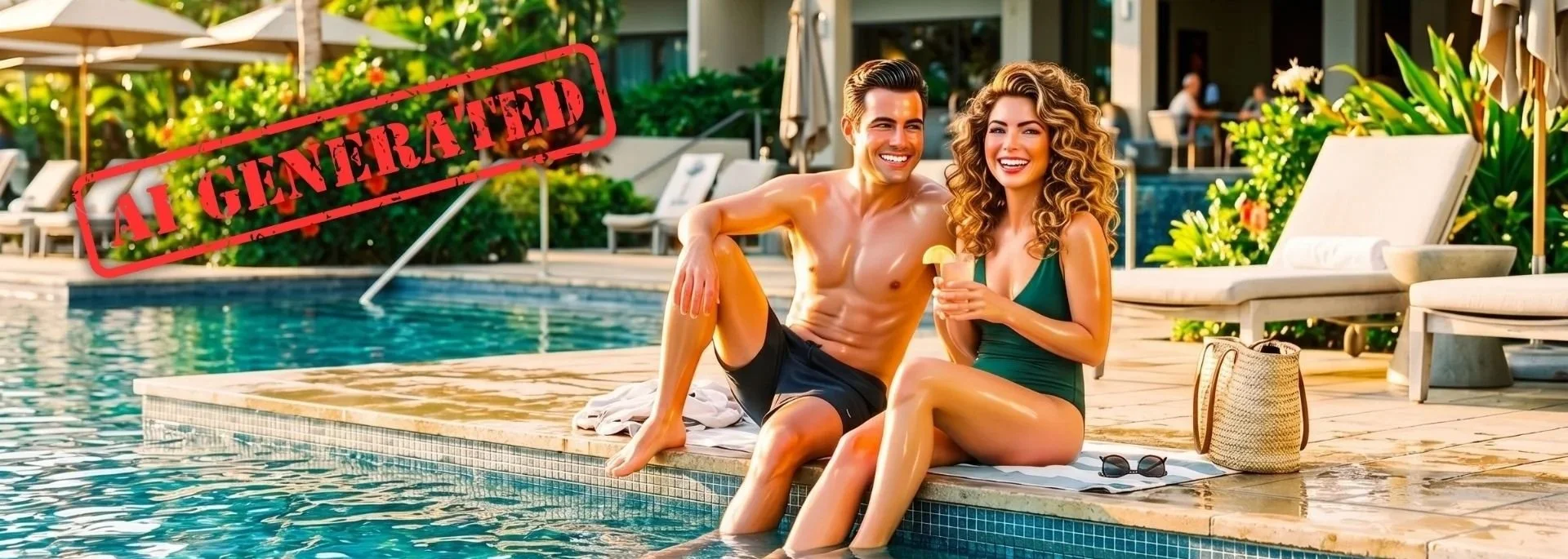
Here's the number that should get a GM's attention. In that same Talker study, 7 in 10 travelers said they'd arrived at a destination that looked noticeably different from the photos they used to plan. More than 80% of those people believed or suspected AI was behind it. And thats a problem for your guest’s user experience.
You know where that feeling ends up. In a review. "Looked nothing like the photos." One line like that sits on your listing for years and quietly does damage to every revenue month after it.
Icelandair's research points the same way. 56% of U.S. travelers said AI-generated images in marketing make them more hesitant to trust a listing. Only 19% would still book if they knew the main promotional images were AI.
And look at what people did after they felt misled:
38% started asking people they know instead of trusting images
37% now look for recent photos over polished campaign shots
35% go looking for user-generated content specifically
The guests you want are already digging past your polished photos to find the real ones, which is a friction point and causes more work on their end. Hand them the real ones first.
Instagram is betting on real, too
At the end of 2025, Instagram head Adam Mosseri wrote that "authenticity is fast becoming a scarce resource." He went further and said the platform should work with camera makers to verify authenticity at capture, "fingerprinting real media, not just chasing fake."
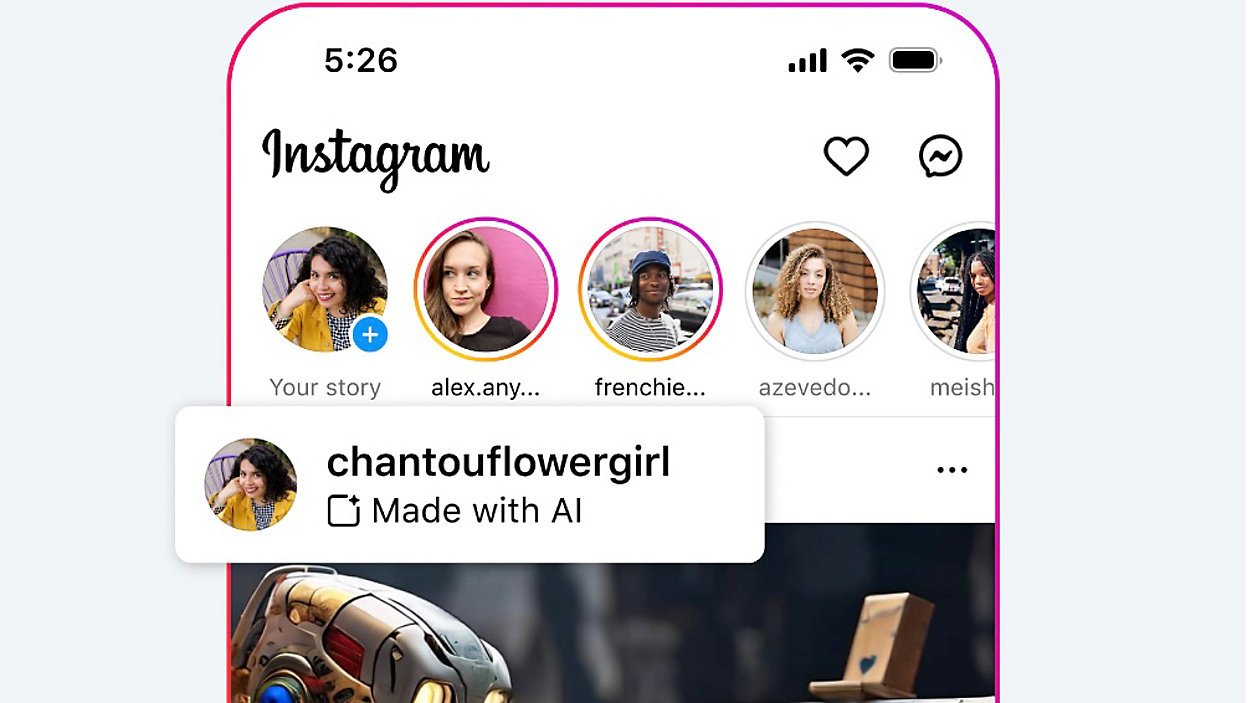
Read between the lines and it's pretty clear where this goes. When the platform itself starts treating real content as the rare, valuable thing, the accounts that already post real content are the ones positioned to benefit. He also pointed out that the stuff people share most with friends is unpolished. Blurry photos and shaky videos of ordinary days. Instagram is now even labeling content generated with AI
That's good news if you run a hotel. You have daily life happening on property from 5am to close every single day.
What real looks like at a hotel
Keep your professional photography. Then surround it with proof. Here's where we'd start.
Put your people on camera
Your bartender who's been mixing the same regular's drink for nine years. The front desk lead who remembers every returning guest's name. Name them in the caption. Let them talk.
AI can generate a lobby. It can't generate Maria from housekeeping who leaves a handwritten note on every pillow. And Maria is the reason half your repeat guests come back.
Show the room at different times
Sunset hour hitting the shadows just right in the room? Snap a photo of that. It's real, shows a feeling and vibe, and goes a lot farther to building a content library and aesthetic than what AI will do for you.
Let your guests tell it
User-generated content is where suspicious travelers go for the truth already as it is, so make it easy to find. Reshare guest posts and stories (with permission). Save the best ones to a Highlight. A guest's slightly crooked photo of your breakfast spread is more convincing than anything you'll stage. Partner with more influencers to create real content for your brand so that you are increasing your output for real content being shared about the property.
Make it recent
37% of misled travelers now look for recent photos. So timestamp your reality. "This morning on the terrace." "First snow on the courtyard." Specific, dated moments like these tell people the feed is a live window into the property.
Keep your professional photography honest
Great photography still matters. It's how you show the property at its best. Color correction and good lighting are craft. Adding a sunset that wasn't there or stretching a pool is fiction, and guests will notice the minute they check in.
Our rule of thumb at StorySpace: if a guest standing in that exact spot wouldn't see roughly what the photo shows, it doesn't go on the feed.
Use AI where guests can't see it
We’re not here to entirely hate on AI. It's genuinely useful in some cases, but your hotel’s imagery isn’t it.
2027 belongs to the hotels that show up as themselves
I get it - for some hotels, you may be constrained on budget, so AI feels like the obvious choice to produce content quickly. But, as they say in life, there are no fast roads, and content that users deem as fake or AI-generated is going to quietly hurt your brand in the long run because users won’t be able to get a true sense of what the hotel is like. If you don’t have the large spend that some hotels do, you already have the tools you need to capture real content, and it's in your pocket.
The same Talker study found 70% of travelers would be more likely to trust imagery from a destination that confirms it's real. 52% said a formal "AI-free" certification could sway their decision to visit.
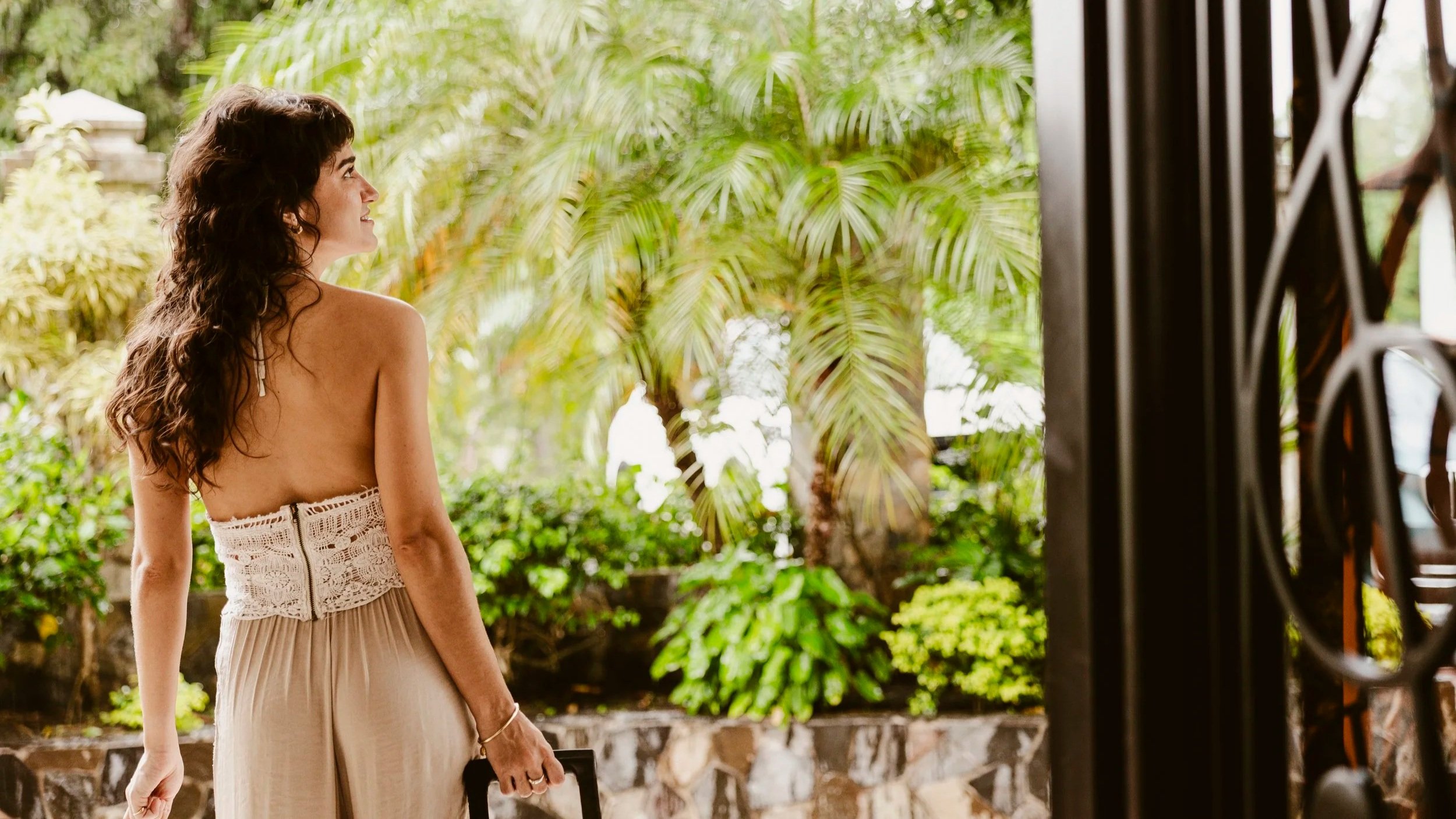
Nobody's handing out that certification yet. You don't need to wait for one. Say it yourself. Pin a post that says every photo on your feed was shot at your property. Show your photographer on shoot day so people see it happening. Make "real" part of your brand voice before the hotel down the street thinks of it.
The hotels that win the next couple of years are the ones a guest can trust on the feed and recognize the moment they walk through the front door.
Let's put your real story in the feed
This is the work we do every week at StorySpace. We shoot real photography at real properties and build social strategies around the people and moments that make hotels worth the trip. If your feed is starting to look like everyone else's, let's talk.