When every property looks the same in a search, visibility decides who gets the booking.

TL;DR
Hotel supply keeps climbing. Lodging Econometrics expects 738 new U.S. hotel openings in 2027, and plenty of them are landing in markets that already feel full.
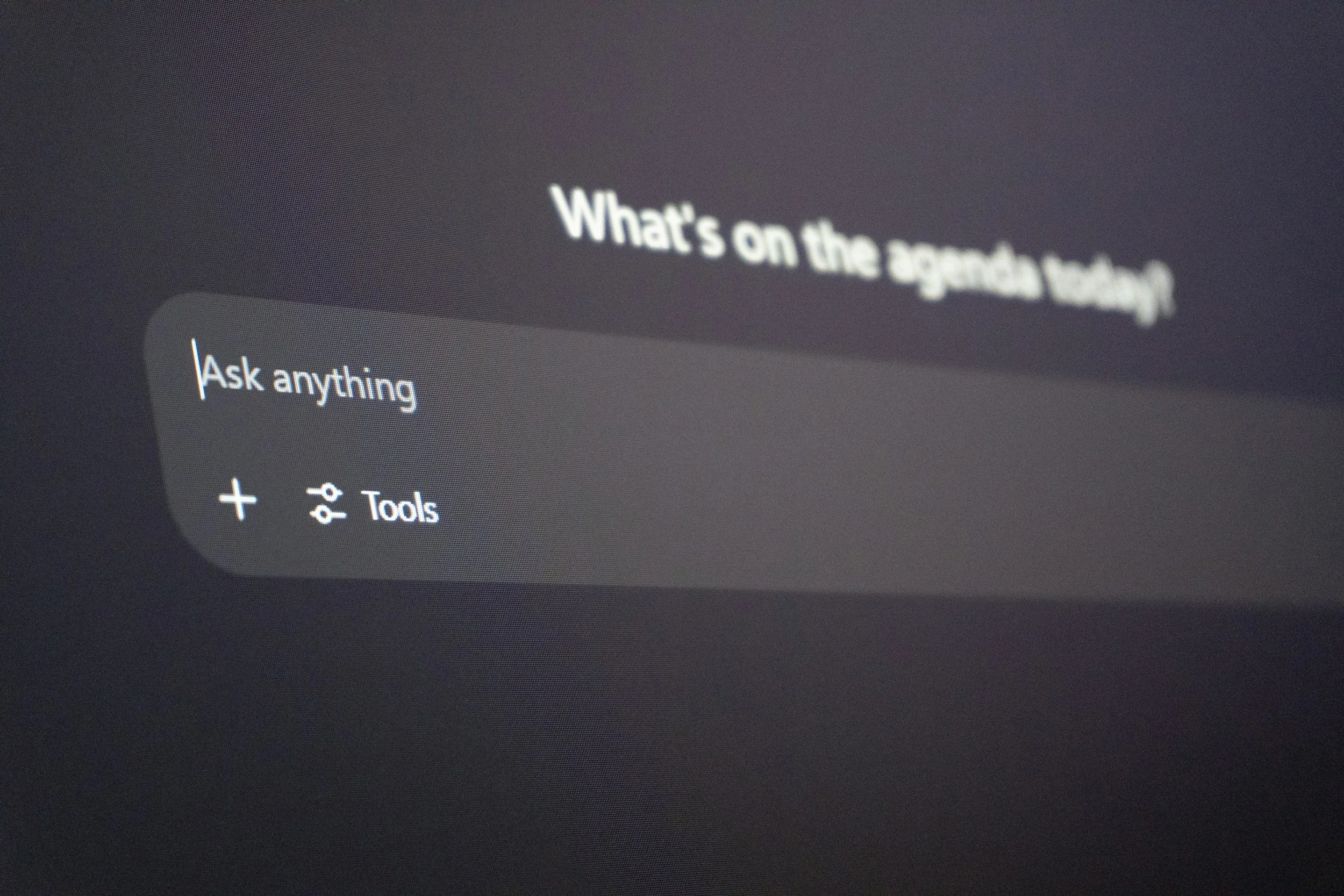
Travelers now ask AI tools where to stay. If your website isn't built to be understood by those tools, you don't make the shortlist.
Google has indexed public Instagram posts from professional accounts since July 2025. Your captions are search content now, whether you write them that way or not.
Younger travelers use Instagram and TikTok to find places to stay before they ever open Google.
The hotels that win crowded markets in 2027 will treat their website and their social feed as one discovery engine.
Too many beds, same number of guests
Walk a few blocks in downtown Nashville or Dallas or any popular destination city and you’ll notice a hotel on every corner. For those working in the hospitality industry, you’ve been facing this increasing challenge for years, yet organizations are still expecting you to continually beat last years numbers.
According to Lodging Econometrics' Q2 2026 pipeline report, the U.S. has 5,975 hotel projects and more than 703,000 rooms in the works. They're forecasting 661 openings this year and 738 in 2027. Dallas leads the pipeline with 183 projects. Atlanta is right behind it at 157.
One issue for many hotels is that a new 200-room property across the street rarely brings fresh demand with it. Mostly it divides the guests who were already coming to your block. Your ADR feels it. Your direct booking share feels it. And when a traveler can't tell you apart from the four hotels around you, they default to whatever ranks first on an OTA or whatever's cheapest that night.
That's a tough place to compete. So the question for GMs and marketing directors in 2027 is simple: when someone goes looking for a stay in your city, do you show up?
The way people go looking has changed a lot in the last two years.
The search bar moved
Guests used to type "boutique hotel downtown Charleston" into Google and scroll a page of links. Some still do. But a growing number are changing how they search entirely.
An Allianz Partners survey conducted by Ipsos found that 37% of U.S. travelers planning a summer 2026 trip were using AI to help plan it. And the questions they type into ChatGPT or Gemini get very specific, very fast. Something like this:
"Find me a quiet hotel in Savannah within walking distance of the historic district. I'm bringing my dog and I want a good rooftop bar."
The AI comes back with two or three names. And for many users, those few hotels are the only ones the guest will look at. If you aren't one of them, you never got a chance to compete on rate or reviews.
Traditional search is shrinking alongside it. Data cited by Cvent shows organic click-through on queries with AI-generated answers dropping from 1.76% to 0.61%. Fewer clicks are going around, and they're going to fewer hotels.
GEO: getting your hotel into the AI answer
GEO stands for generative engine optimization. Think of it as SEO for the answers AI tools write. These tools pull from your website, your Google Business Profile, OTA listings, review sites and press coverage, then decide which properties fit the question. When your information is vague or inconsistent, they skip you and recommend someone easier to understand.
AI can only recommend what it can clearly understand about you.
A few places to start:
Write the way guests ask. Nobody types "elevated urban sanctuary." They ask for dog-friendly, walkable to the convention center, quiet rooms, free parking. Build pages and sections around those real needs, in plain language.
Answer the questions your front desk hears every day. Parking cost. Pet fees. How far it is to the stadium. Whether the rooftop is open to non-guests. Put them in an FAQ on your site and have your web team add FAQ and Hotel schema markup so machines can read it cleanly.
Keep your facts identical everywhere. If your website says 112 rooms and Expedia says 108, or your pet policy changed and your Google profile didn't, AI tools lose confidence in you. Audit your listings once a quarter.
Say who you're for. "Perfect for a girls' weekend near Broadway" gives AI something to match. "Where luxury meets comfort" gives it nothing.
Earn mentions off your own site. Local press, travel blogs, neighborhood guides and detailed reviews all feed these models. A review that says "the bartender remembered my drink on night two" does more work than a five-star rating with no text.
Want a quick gut check? Open ChatGPT or Gemini and type the question your ideal guest would ask about your city. See who shows up. If it's your competitor down the street, now you know what you're up against.
Your Instagram captions are searchable content now
This one slipped past a lot of hotels. Since July 10, 2025, public posts from Instagram professional accounts can appear in Google search results. Reels and carousels count too. And the benefit of this is that Google is reading your captions.
First, check that it's on. In your Instagram settings, look for "Allow public photos and videos to appear in search engine results."
Then look at how you write. Most hotel captions are written for followers who already know the property. Search rewards captions a total stranger could understand.
Here's a typical one:
"Golden hour hits different ✨"
Here's one that can actually be found:
"Sunset from our rooftop bar in Savannah's historic district. Open to the public Thursday through Sunday, with live jazz every Friday night."
Same photo. The second caption tells Google and every AI tool reading the web exactly what you are and where you are. Name the neighborhood and the thing a guest would actually search for. Then tag the location.
Instagram is reading those words too. In a July 2026 Q&A, Adam Mosseri said the platform uses captions and comments as text signals for search, and noted that hashtags won't hack distribution. A handful of precise hashtags is fine. Thirty generic ones won't save a caption that says nothing.
Social is where guests shop for stays
One industry report covered by Hospitality Net found that 67% of Gen Z travelers use Instagram to find places to stay, and 62% use TikTok. They're typing "hotels in Scottsdale with a pool" straight into the app and booking from what they see.
That changes what your content needs to do. A pretty lobby shot gets a like. A Reel walking through your corner king, with the room type named on screen and the view out the window, answers a question someone is actively searching. That's the content that shows up when it counts.
Some ideas that work well in crowded markets:
Room tours that name the room category and what makes it different from the one next door
Your staff sharing their favorite spots within walking distance, which is useful content and very hard for a competitor to copy
Short "how close is it" clips to the venues, stadiums and offices guests actually travel for
Honest answers to the questions in your DMs and comments, turned into posts
This is how you separate from the hotel across the street. Your people and your neighborhood, seen through your team's eyes, are the one thing they can't copy. Show that, describe it in words people search, and you give both the algorithm and the traveler a reason to pick you.
We wrote more about the conversation side of this in From Followers to Front Desk, where social works as your digital concierge.
Let's make your hotel the obvious choice
Crowded markets aren't getting any less crowded. Another round of openings is coming in 2027, and every one of them will be fighting for the same searches you are. The properties that get found will be the ones that made it easy for guests and machines to understand who they are.
StorySpace is a hotel social media and photography agency working with boutique, resorts, villas, and luxury properties nationwide. If your market's getting louder and your direct bookings are feeling it, we'd love to talk about getting your content in front of the guests who are already searching for a stay like yours.