Your guest decides how a stay will feel long before they read a word about it.
TL;DR
In an eviivo test, 76% of people said they'd book a room from a professional photo. Shown the same room shot minutes earlier by an amateur, 13% said yes.
Those same viewers valued the professionally shot room at roughly double the nightly rate.
Expedia's eye-tracking research found guests light up at windows, views and natural light, and get suspicious of fisheye lenses.
In Expedia Group's 2025 study of 7,000 travelers, 71% said video influenced their travel decisions.
The hotels that win pair strong hotel photography with real guest content and a feed that feels like one place
Introduction
The Importance of Visuals in Hospitality
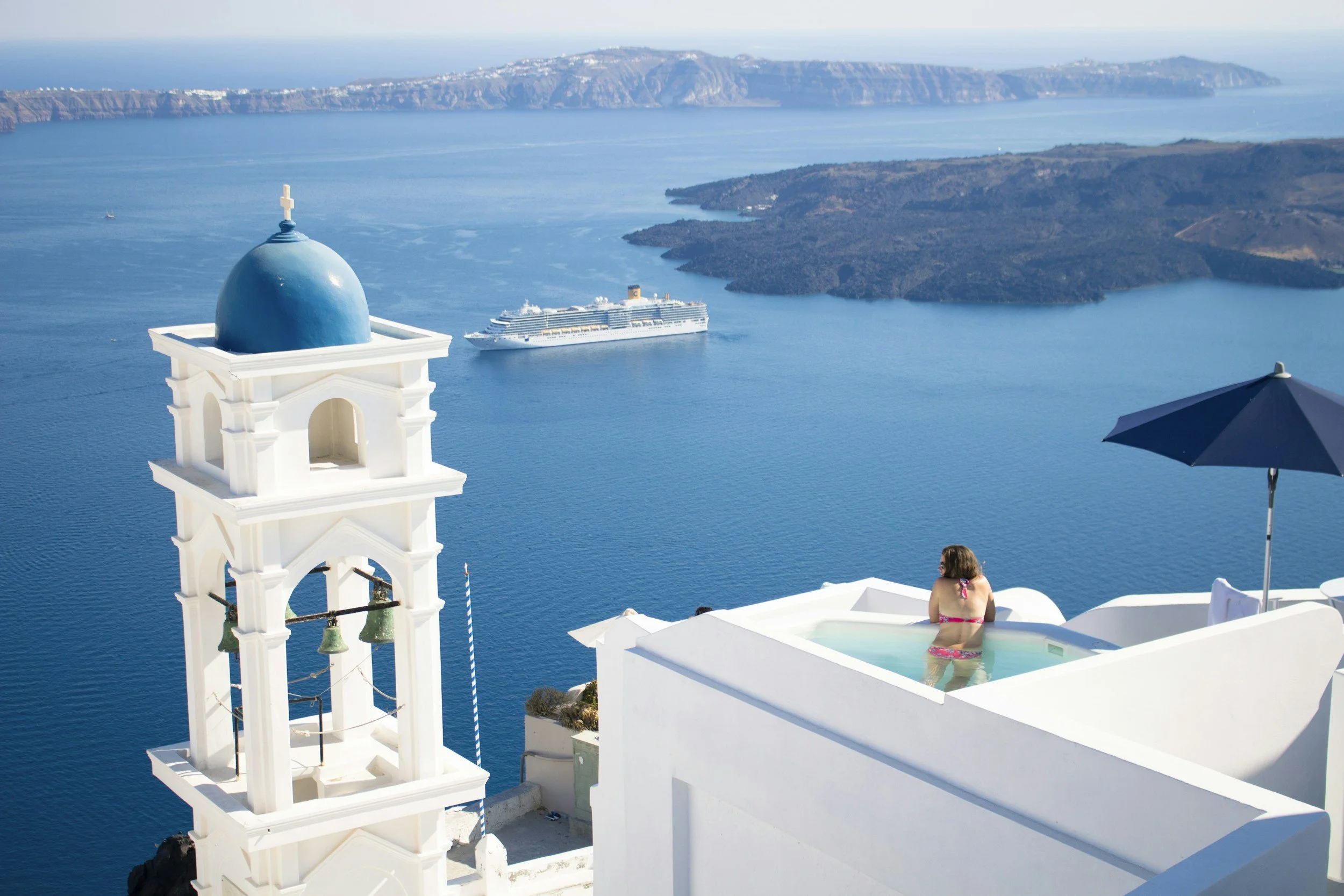
Think about the last hotel you booked for yourself. Odds are a photo did most of the selling. Maybe it was the infinity pool or a tub with a city view, but whatever it was, you could picture yourself right there.
The same is true for customers. Your guests can't walk the property before they pay. So they scroll your gallery at 11pm on their phone and decide in about ten seconds whether you feel right.
That's a lot riding on a few JPEGs and I'm always surprised how many hotels still treat photography as something to get around to. Sure, photos can be tied “directly” to sales, but trust me, they are affecting it.
Overview of Hotel Images
When I say hotel images, I mean everything a traveler sees before they arrive. Your homepage hero shot and your Expedia gallery. I’m also including your Instagram grid and your Google Business Profile, plus whatever a guest posted from your rooftop last weekend.
You control some of that. Guests control the rest.
Travelers flip between all of it, and fast. They'll look at your polished homepage, then go straight to the guest photos on Google or social to see if the room really looks like that. Your hotel pictures need to hold up next to an iPhone shot.
The Role of Hotel Photography
eviivo ran a test a while back that I think every GM should see.
They took a handful of B&Bs on the south coast of England and photographed each room twice, a few minutes apart. The first set was shot by someone with no photography background. The second by a pro, with interior designer helping style the room.
People looking at the pro photos guessed the room was worth about double. 61% of them thought the two photos had been taken years apart.
Read that again. Same room, same afternoon, and guests were willing to pay double because of how nice the photos were. Good photos matter beyond just getting rooms booked; they also matter for how you can justify raising your nightly rates.
Types of Hotel Photography
There are a lot of ways to slice this, but for most properties it comes down to two jobs. One shows guests what they're getting. The other shows them who they'll be while they're there.
Hotel Room Photography
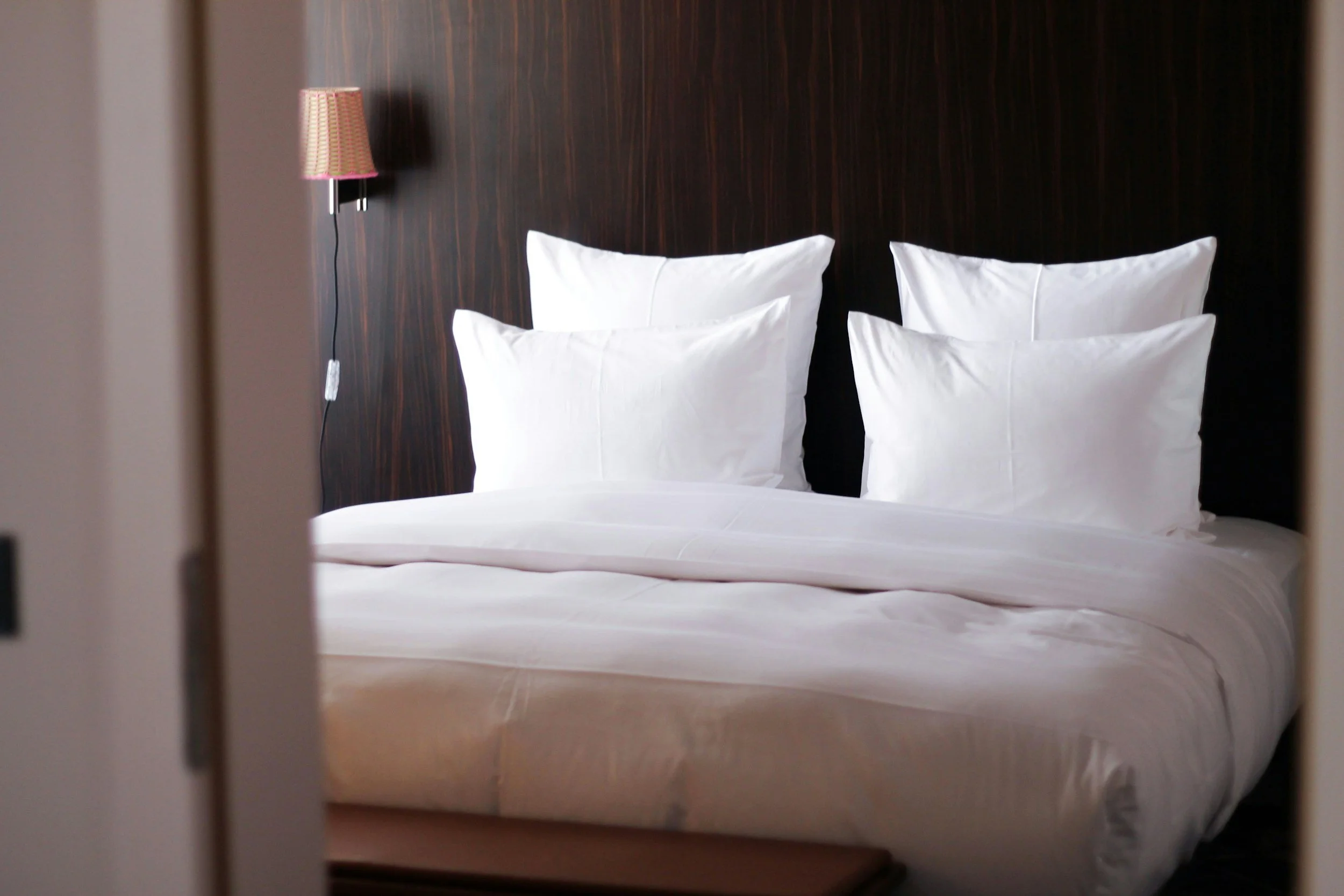
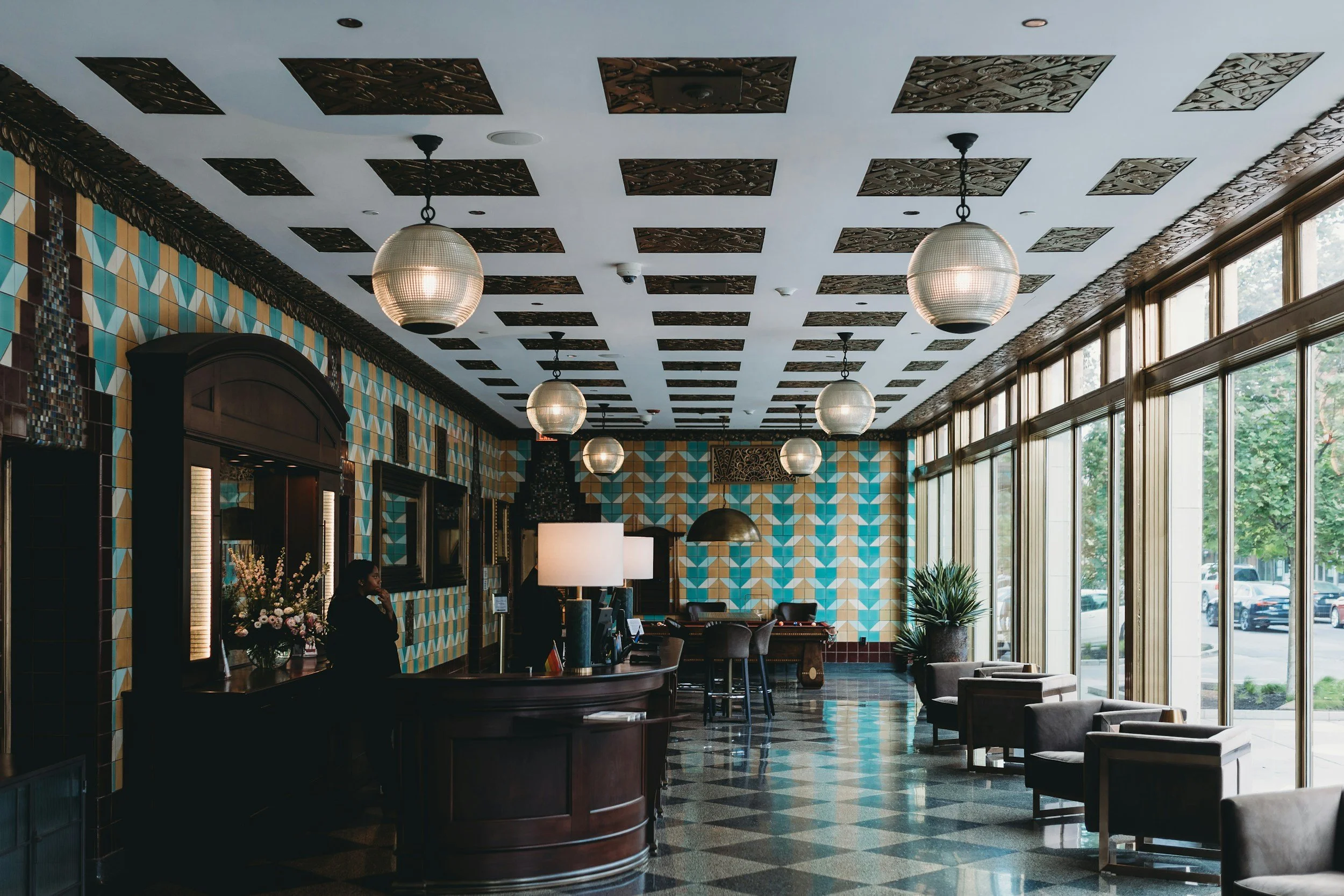
Hotel room photography answers the practical questions. How big is it? Where's the light coming from? What is the bathroom like in the room? What’s the lobby like? And so forth.
Expedia actually studied this in their user experience lab, tracking where shoppers' eyes went and how their faces reacted while they browsed hotels. Bedrooms with a window view and natural light got the best reactions by a mile.
Here's the part I find most useful. When a gallery skipped the bathroom or the closet or the view out the window, shoppers reacted negatively. They figured something was being hidden.
Most of the time nothing is. The photographer just ran out of time, or someone decided bathrooms aren't glamorous. Shoot them anyway. Every room type. Every bathroom, too, because ensuring everything is listed builds unconscious trust.
Lifestyle Hotel Photography
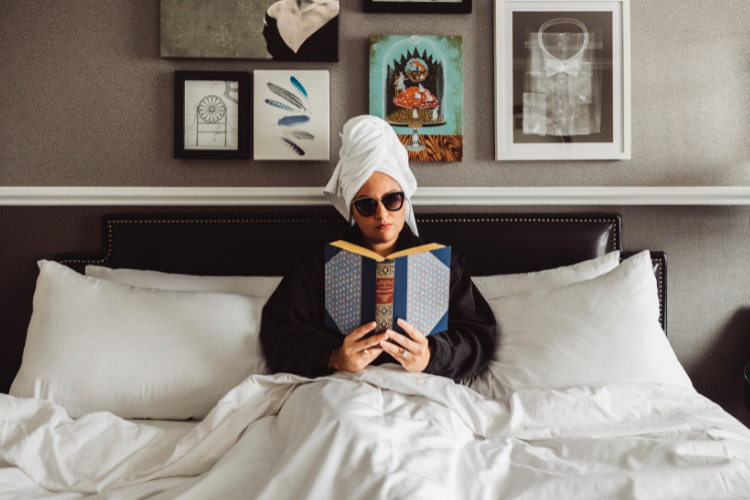
Lifestyle hotel photography puts people in the frame. A couple splitting a bottle of wine on the terrace. Somebody reading a book on a pool lounger. Your bartender halfway through a pour.
This is the stuff that makes someone want to go. One shopper in that Expedia study said, "I can see myself staying there." If your lifestyle shots get that reaction, they're working.
It's also what carries your social media. I've never seen anyone stop scrolling for a perfectly made, empty bed. But they will stop for people running into the water at the beach or a family roasting s’mores in the patio firepit.
Choosing the Right Hotel Photographer
There are plenty of talented photographers out there who've never shot a hotel, and it usually shows. Good hotel photographers know which hour the suite gets its best light. They know how to make a 300-square-foot room feel roomy without lying about it.
When you're talking to hotel photographers, here's what I'd look for:
Real hospitality work in the portfolio, ideally from properties like yours
Rooms and lifestyle shots from the same shoots
A shot list conversation to ensure your needs are captured
Licensing that covers your website, OTAs, social and paid ads, so you're not renegotiating every time marketing wants to run something
Someone who can direct your actual staff without making them look stiff
Once you have settled on a hotel photographer that you like, try and retain them too. That way, your images, especially your Instagram grid, look like they were shot by one person. It won’t feel like a patchwork of different photographers and styles.
Elements of Effective Hotel Images
Composition and Framing
If you hire a professional photographer to do this, then they will already know these basics, but in the scenario where your hotel doesn’t have the budget to spend, here are my essential tips for you:
Shoot from about chest height in your images. If you are shooting on something like your phone, I would shoot using the 1x or 2x options.
Apply some basic color correction to your images before posting. Adjust exposure, contrast, shadows, clarity, etc to help make your image pop a little more. However you edited that image, maybe using a free phone program like Lightroom, save that editing style as a preset and apply to the rest of your images. That way everything looks and feels similar in terms of coloring, lighting, and contrast.
Give people something to look at, like a window with a view or a doorway that pulls you into the next room.
And please, skip the fisheye lens. Expedia's shoppers read those super-wide shots as a sign the hotel was hiding something, and they're right more often than not. Even if a stretched photo gets the booking, you'll hear about it at check-in. Probably in a review too.
Lighting Techniques
Natural light sells rooms. Flashing isn’t bad if you know how to do it (or use techniques like flambient), but natural lighting helps set a mood as it casts shadows and light into your rooms.
So build the shoot schedule around the sun. East-facing suites in the morning. West-facing suites, patio, lobby at sunset. Turn on every lamp and open every curtain, then balance the inside light against the window so the view doesn't blow out to white. Half the time that view is the best thing you've got.
Budget an extra hour for twilight exteriors. Blue sky, warm glowing windows. It's one of the most dependable hero shots in the business.
Capturing the Hotel Atmosphere
This is the hardest part to photograph. It's also what guests remember.
It's the bar on a Friday when it's loud in the good way. It's the candy jar at the front desk that every kid who's ever stayed with you knows about. It’s catching the sunset on the suite balcony looking out to a beautiful view.
Small details carry a lot of it, so shoot them close. The handwritten welcome card. The local artist's work in the hallway that guests stop to look at on their way to the elevator.
A good way to figure out what to shoot here: think about what guests tell their friends after they check out. Then go photograph that.
Impact of Hotel Images on Guest Decisions
Psychological Influence of Visuals
People decide fast and then go looking for reasons they were right. A traveler gets a feeling from your first photo. The reviews and amenities list mostly confirm it.
And that feeling spreads. In eviivo's research, one in three people said bad photos made them think the service would be bad too. Your dim, crooked room photo is quietly telling people your front desk will be slow. Unfair? Sure. But this is also how our brains are wired.
Good photos send the opposite signal. If a hotel clearly cares about how its rooms look online, guests assume it cares about the stay too.
Video's pulling more weight every year. Expedia Group surveyed 7,000 travelers in 2025, and 71% said video influenced their travel decisions. Only 24% said the same about still images. I'd take that second number with a grain of salt, since your stills are still what fills the OTA listing. But if you don't have short video of your property yet, that's where I'd put the next budgeting dollar.
Case Studies: Before and After Hotel Photography
eviivo's B&B experiment. For one of the properties in the test, 76% of people said they'd book based on the professional photo. 13% said they'd book from the amateur version. The perceived nightly value went from £43 to £91. Across every B&B in the study, the pro photos added an average of £28 a night to what people thought the room was worth.
Tripadvisor's listing data. Tripadvisor looked at how photos affected engagement on hotel listings. Properties with at least one photo got 138% more engagement than ones with none. Listings with more than 100 photos were 238% more likely to get a booking inquiry.
Expedia's gallery gaps. This one's a little different. Expedia's lab found that a gallery missing the bathroom, closet or window view hurt the hotel even when every other photo was great. The fix costs almost nothing.
If you've done a reshoot and tracked your numbers before and after, I'd love to hear how it went. Most hotels never measure it, which is a shame, because it's one of the easiest wins to prove to an owner.
Best Practices for Hotel Marketing Photography
Creating a Cohesive Image Strategy
The best hotel marketing photography looks like one hotel everywhere it shows up. Same coloring, same mood. If your website feels warm and moody and your OTA photos look stark and overly flashed, guests notice the vibe difference.
Start with who's actually staying with you. A resort selling honeymoons needs very different photos than a downtown branded hotel chasing midweek corporate travelers. Build the shot list around those guests, then plan where each image will live. OTA galleries, your website, Instagram, paid ads and the deck your sales team sends to wedding planners all pull from the same library.
Then keep it fresh. Seasons change. Your chef rolls out a new menu. A gallery that's three years old tells travelers nobody's minding the store. We usually recommend a full shoot every year or two, with small seasonal ones in between.
Utilizing User-Generated Content
Your guests are already photographing your hotel. And to be honest, some of those shots are better than what's in your gallery, mostly because they feel real.
Travelers know it. When Icelandair surveyed U.S. travelers in 2025, 35% of people who'd felt misled by travel marketing photos said they now go looking for guest content on purpose. They're fact-checking your gallery through user-generated content on social media.
So make it easy for them. Reshare guest posts and stories (ask first) and save the best ones to an Instagram Highlight. Put a little sign with your handle next to the best view on property, and people will tag you for free. The more you get people posting your hotel, the more reach your property gets on social. So, use your best marketing team you have, your guests, to do the heavy lifting for you.
Leveraging Social Media Platforms
Social is where your hotel images go to work every day. People find trips on Instagram and TikTok now, and both platforms reward hotels that post often and post video.
Pull everything from the same library, then cut it for each platform. Room and detail carousels on Instagram. Short vertical walkthroughs on Reels and TikTok. Expedia's 2025 research found viewers need about two to nine seconds per scene to take in what they're looking at. Cut faster than two seconds and you lose them.
Paid social is where good imagery pays you back fastest. We ran a $100 campaign for one hotel that brought in $5,100 in booked nights. A hundred bucks. Targeting and timing play a part, sure. But an ad still has to make someone stop scrolling, and that's the photo's job.
Post what's happening this week, too. The live band on the patio. The first fire of the season in the lobby. Those little moments make your feed feel like you could walk in tonight.
Let's make your hotel impossible to scroll past
StorySpace shoots hotel photography and builds social strategies for hotels, resorts, bars and restaurants that want their feed to feel like the real stay. If your gallery hasn't been refreshed in a while, or your social doesn't look like the property guests walk into, we'd love to help.